What Is Leather Patina and Why Does It Matter?
Learn what leather patina is, why it develops, which leathers age best, and how to encourage an even, beautiful patina on your desk pad.
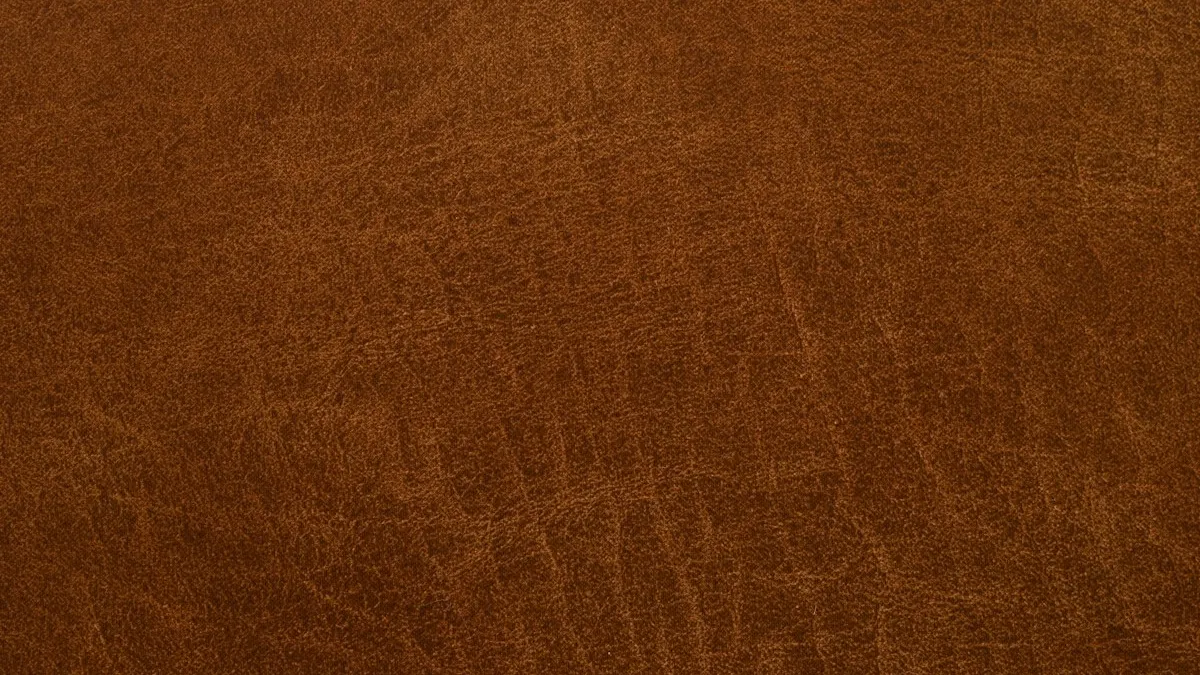
What Exactly Is Patina?
Patina is the gradual change in color, texture, and sheen that happens when leather is used over time. It’s not damage, dirt, or wear - it’s a natural transformation of the surface.
Think of it like the way a wooden kitchen table darkens where plates are set every evening, or how a brass door handle develops a warm glow from thousands of hands. Leather does the same thing. The surface responds to touch, light, and environment, and what emerges is a finish that no machine can replicate.
A brand-new leather pad looks clean and uniform. A year later, it looks like yours.
Why Does Leather Develop Patina?
Several factors work together to change the surface over time:
- Oils from your skin - natural oils transfer from your hands and wrists into the leather fibers, darkening and softening the surface.
- UV light - even indirect sunlight shifts the color gradually. Lighter leathers tan deeper; darker ones develop richer tones.
- Friction - the repeated movement of your hand and mouse polishes the grain, creating a subtle sheen.
- Moisture - humidity in the air and occasional contact with water affect how the fibers settle and compress.
None of these forces are harmful. They’re the reason leather is prized as a material in the first place - it responds to life rather than resisting it.
Which Leathers Develop the Best Patina?
Not all leather ages the same way. The tanning method and the quality of the hide make an enormous difference.
Full-grain, vegetable-tanned leather produces the most dramatic and beautiful patina. Vegetable tanning uses natural tannins from bark and leaves, which leave the leather’s surface open and reactive. Over months and years, the color deepens noticeably and the surface develops a warm, almost waxy sheen. To see how this type of leather is selected and processed, read about how our pads are made.
Chrome-tanned leather - the type used in most mass-produced goods - is treated with chemicals that stabilize the color. It resists change by design, which means it also resists developing character.
“If your leather doesn’t change over time, it’s probably not real leather.”
How Patina Develops on a Desk Pad
A desk pad is an interesting case because the patina tells a story about how you work. Over several months, you’ll start to notice distinct zones:
- Where your wrist rests - this area darkens first and fastest, from constant skin contact and pressure.
- The mouse zone - friction from daily mouse movements polishes the grain, creating a smooth, slightly glossy patch.
- The center - if you write or place objects here, the leather picks up subtle impressions and color shifts.
- The edges - the least-touched areas retain more of the original color, creating a natural gradient from center to edge.
This uneven transformation is part of the appeal. Your pad becomes a map of your daily habits, entirely unique to you.
How to Encourage Even Patina
If you prefer a more uniform look, a few simple practices help:
- Rotate your pad occasionally - turn it 180 degrees every few weeks so both ends receive similar exposure and contact.
- Condition regularly - a thin layer of leather conditioner once a month keeps the fibers supple and helps oils distribute evenly across the surface.
- Don’t avoid sunlight entirely - some indirect light exposure helps the color mature. Just avoid leaving the pad in direct sun for hours, which can cause uneven fading.
- Use the full surface - if you tend to work in one corner, consciously shift your placement now and then.
These aren’t rules. They’re nudges. Patina will happen regardless - these steps just help it happen gracefully. For a full maintenance routine, see our leather care guide.
Why Patina Is Desirable
In a world of disposable products that look worse every day, leather patina goes in the opposite direction. A well-used leather pad at two years old looks better than it did new.
That transformation signals a few important things:
- Quality - only genuine, high-quality leather develops true patina. It’s proof of what the material actually is.
- Uniqueness - no two patinas are alike. Your pad’s character is shaped by your hands, your habits, your environment.
- Longevity - if a piece has patina, it means it has been used for a long time and is still going strong.
There’s a reason people hold onto leather goods for decades. The material earns your attachment by becoming more personal with every passing month.
Frequently asked questions
What is leather patina? The gradual change in colour, sheen and texture that leather develops with use. Skin oils, light and friction darken and polish the surface. It isn’t wear or damage – it’s the material maturing.
How long does it take for leather to develop patina? The first changes appear after a few weeks of daily use; a distinct character takes six to twelve months. Vegetable-tanned leather changes faster and more richly than chrome-tanned.
Does black or dark brown leather develop patina? Yes, just more subtly. On dark leather, patina shows as deeper colour and a satin sheen where your hands and mouse rest rather than visible darkening.
Can patina be removed from leather? Not really – and there’s no reason to. Patina is proof of genuine, quality leather. If you prefer it even, rotate the pad occasionally and condition it monthly.
Want to see how full-grain leather ages on a desk? Explore the Deskhide leather desk mat - every pad is made from vegetable-tanned leather that develops a rich, one-of-a-kind patina over time.