Does a Leather Mouse Pad Work for Gaming?
An honest look at leather mouse pads for gaming - where they excel, where they fall short, and who they're actually right for.
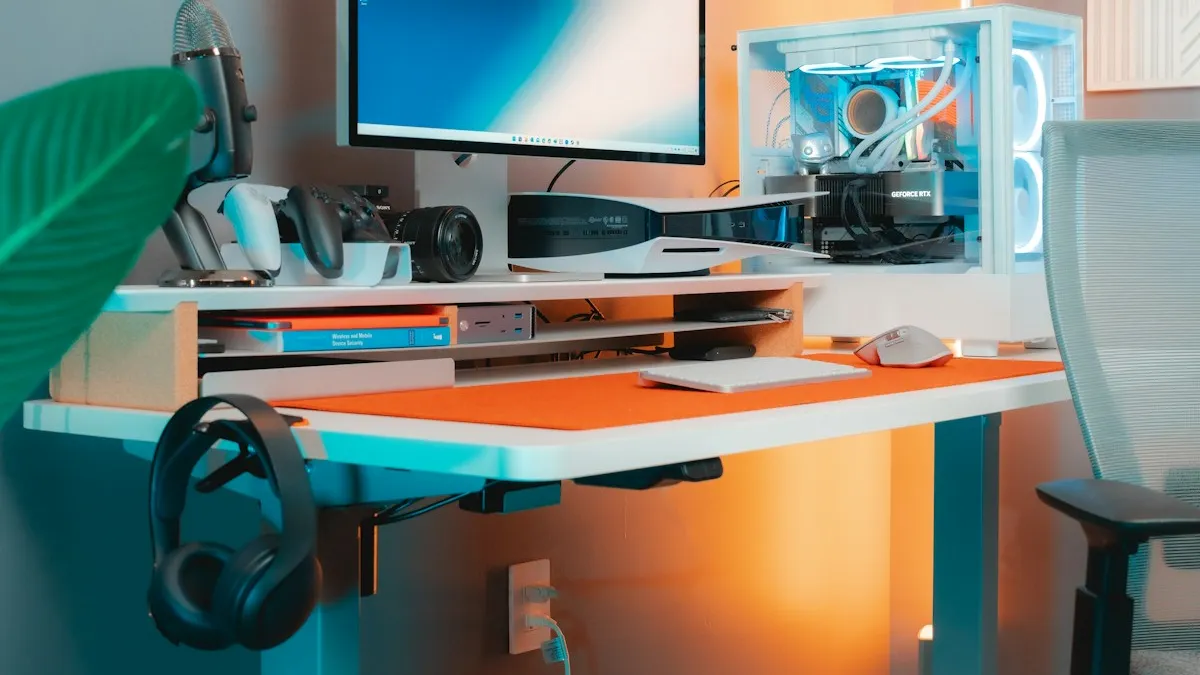
The Short Answer
Leather mouse pads work well for casual gaming, everyday use, and anything where comfort and aesthetics matter alongside performance. They’re not the best choice for competitive first-person shooters where ultra-low friction is everything. The honest answer depends on what kind of gamer you are.
How Leather Performs for Gaming
Let’s break it down by the factors that actually matter when you’re using a mouse for hours.
Tracking precision - modern optical and laser sensors have no problem reading a leather surface. The natural grain provides a consistent texture with enough detail for accurate tracking. You won’t see jitter, skipping, or dead zones. Leather works reliably with every mainstream gaming mouse we’ve tested.
Friction and glide - this is where the real tradeoff lives. Leather has more friction than a cloth speed pad. Your mouse won’t fly across the surface the way it does on a slick fabric weave. For some gamers, that extra resistance is actually a benefit - it gives you more control and makes precise aiming easier. For others, especially those who rely on fast flick shots in competitive FPS games, the added resistance feels like drag.
Comfort during long sessions - this is where leather genuinely shines. A four-hour gaming session on a rubber-backed cloth pad can leave your wrist feeling clammy and irritated. Leather breathes. It adapts to your skin temperature instead of trapping heat. The surface feels warm and natural, not sticky. If marathon gaming sessions are your thing, comfort over time matters more than you think.
“The best gaming surface isn’t the one with the lowest friction - it’s the one you can use for four hours without your wrist begging you to stop.”
Durability - cloth gaming pads are disposable. The edges fray, the surface wears into shiny patches, and after six months to a year, tracking consistency degrades. You buy another one. A leather pad lasts for years. The surface actually improves with use - it softens, the grain becomes smoother, and it develops a patina that’s unique to your usage.
Noise level - leather is noticeably quieter than cloth. The mouse glides with a soft, muted sound rather than the scratchy whisper of woven fabric. If you’re gaming with an open microphone, your teammates will appreciate this.
Aesthetics - let’s be honest, this matters too. A leather pad on a gaming desk is an immediate visual upgrade. It says “I take my setup seriously” in a way that a branded cloth pad with RGB stitching doesn’t.
Where Leather Falls Short
Competitive, high-level FPS gaming demands specific things from a mouse pad: minimal friction, maximum speed, and a surface engineered to be as close to frictionless as possible. Purpose-built speed pads use tight fabric weaves or hardened surfaces that allow the mouse to travel faster with less force.
Leather can’t match that speed. It isn’t trying to. If you’re grinding ranked matches in a tactical shooter and every millisecond of reaction time matters, a dedicated gaming pad is the better tool for that specific job.
Similarly, if you use very low mouse sensitivity and make large sweeping arm movements, the higher friction of leather can become fatiguing over long competitive sessions.
Who Should Consider a Leather Gaming Pad?
Leather is a great choice if you:
- Play casually - RPGs, strategy games, MMOs, single-player titles. Games where precision matters but speed-of-light flicks don’t.
- Value comfort - you game for hours and want a surface that feels good at minute one and hour four.
- Use your desk for more than gaming - if your desk doubles as a workspace, a leather pad looks professional during the day and performs well in the evening.
- Want longevity - you’re tired of replacing pads every few months and want something that lasts.
- Care about aesthetics - you’ve invested in your setup and want it to look as good as it performs.
Leather vs. Typical Gaming Pads
| Leather | Cloth (Speed) | Cloth (Control) | |
|---|---|---|---|
| Friction | Medium-high | Low | Medium |
| Tracking | Reliable | Excellent | Excellent |
| Comfort | Excellent | Average | Average |
| Durability | 5+ years | 6-12 months | 6-12 months |
| Noise | Quiet | Scratchy | Moderate |
| Aesthetics | Premium | Varies | Varies |
| Best for | All-rounders | Competitive FPS | Precise aiming |
The Honest Verdict
A leather mouse pad is not a gaming accessory in the traditional sense. It’s a desk accessory that also works well for gaming. If your priority is raw competitive performance above all else, a dedicated gaming pad will serve you better in that narrow category.
But if you want a surface that’s comfortable for long sessions, looks genuinely good on your desk, works with every game you play, and lasts for years instead of months - leather handles all of that. For the majority of gamers, that’s the better deal.
Frequently Asked Questions
Will a leather mouse pad slow down my mouse? Slightly, yes. Leather has more friction than a typical cloth gaming pad, so your mouse won’t glide quite as fast. For everyday use and casual gaming, the difference is barely noticeable. For competitive FPS gaming where milliseconds matter, the extra resistance may affect fast flick movements.
Does leather work with gaming mouse sensors? Yes. Full-grain leather has a consistent natural texture that works reliably with both optical and laser sensors. Modern gaming mice have no trouble tracking on leather surfaces.
Is leather too rough for fast mouse movements? Not rough, but higher-friction than cloth. New leather feels firmer; with use, it softens and the surface becomes smoother as patina develops. Most users find the friction comfortable rather than restrictive - it actually gives you more control over precise movements.
How long does a leather gaming pad last? A full-grain leather pad lasts 5 years or more with regular use. By comparison, cloth gaming pads typically need replacing every 6-12 months as the surface wears down and edges fray. Leather is significantly more durable and looks better with age, not worse.
Curious how leather compares to other mouse pad materials beyond gaming? Read our full leather vs cloth vs rubber comparison.
Want to try a leather pad on your gaming desk? See the leather mouse pad or the full-size leather desk mat - full-grain leather pads that work as hard as you play.